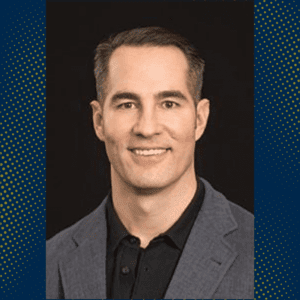
Dr. Sean Esteban McCabe is a Professor (Tenured) and the Director of the University of Michigan (U-M) Center for the Study of Drugs, Alcohol, Smoking and Health (DASH Center) in the Department of Health Behavior and Biological Sciences in the School of Nursing. He has a broad background in education, epidemiology, psychology, and social work. Dr. McCabe has clinical experience working with adolescents and adults on issues related to ADHD, prescription drug use and misuse, and substance use disorders in a wide range of settings (eg, community, corrections, healthcare, schools).
He has extensive experience conducting survey research and secondary data analyses related to prescription drug use and misuse, polysubstance use, and substance use disorders using longitudinal designs. He served as an expert consultant for the substance use survey modules for the Monitoring the Future study and the National Survey on Drug Use and Health. Dr. McCabe has successfully led 15 FDA- and NIH-funded projects as Principal Investigator. He has served as the Associate Editor and Editor for substance use journals and produced over 300 peer-reviewed papers. Dr. McCabe’s research has had direct implications for policy and clinical practice as reflected in the CDC Guidelines for Prescribing Opioids and the FDA Drug Safety Communication to improve safe use of prescription stimulants for ADHD.
He completed the CHRT Health Policy Fellowship at (U-M) spring of 2025 to expand his knowledge of health policy processes as well as how to use research findings to inform local/state/federal health policy. Dr. McCabe has teamed up with Dr. Luisa Kcomt at Wayne State University and over 30 community, academic, and health care partners on developing a new trauma-Informed program for children aged 5-17 years and their families who have experienced the death of a parent or significant person from an opioid/other drug overdose within the past 10 years. Hope HQ is currently focused on children and families in southeast Michigan where the majority of drug overdose deaths in the state occur. The multidisciplinary team is currently building the program and fundraising to expand year-round services for families throughout the state and beyond.